Why Early-1900s Homes in Czech Village Need Modern Insulation
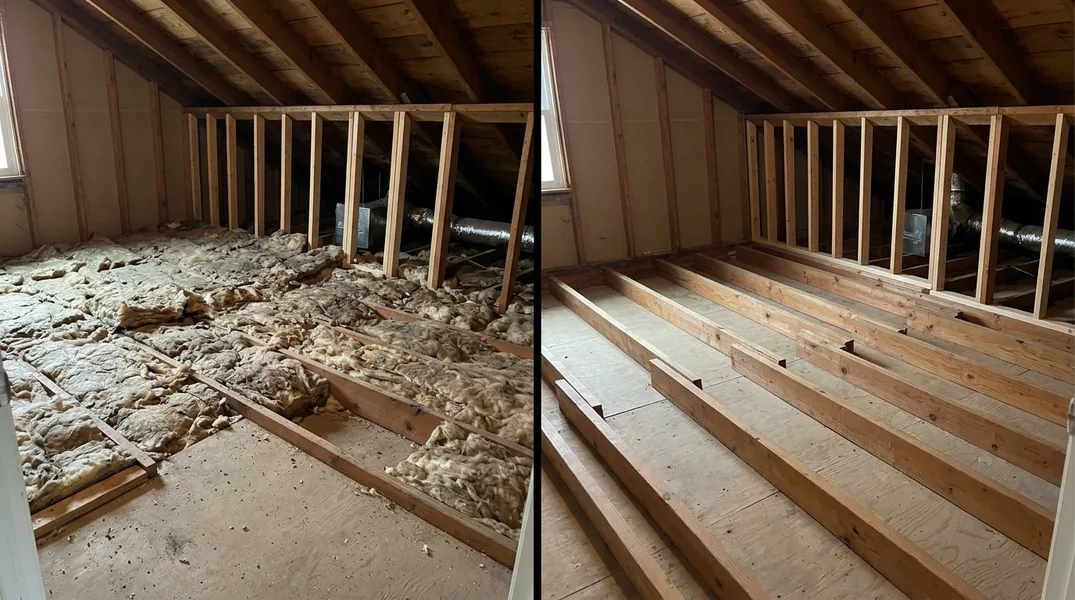
The charming early-1900s homes that line the streets of Czech Village and New Bohemia are architectural treasures. Their solid construction, original woodwork, and character details tell the story of Cedar Rapids immigrant heritage. However, these beautifully aged homes often suffer from one critical weakness: inadequate insulation. When these houses were built, energy efficiency wasn't a priority, and the insulation materials available then have long since settled, deteriorated, or become ineffective.
Homeowners in these historic neighborhoods face a real challenge. The attic spaces, wall cavities, and crawl spaces in these older homes are frequently underinsulated or filled with outdated materials like fiberglass batts that have compressed over a century. This leads to uncomfortable temperature swings, higher heating and cooling costs, and moisture problems that can damage the very structural integrity that makes these homes special. Attic Spray Foam Insulation offers a modern solution that respects the character of these homes while dramatically improving their performance and comfort.
Is Spray Foam Insulation Worth It for Historic Cedar Rapids Homes?
The question of whether spray foam insulation is worth the investment depends on your specific situation, but for owners of early-1900s homes, the answer is often a resounding yes. Unlike traditional insulation materials, spray foam creates an airtight seal that adapts to irregular cavities, gaps, and odd angles common in older construction. This means you're not just filling space; you're actually sealing air leaks that have been driving up your energy bills for decades.
When you invest in Closed Cell Spray Foam Insulation, you get superior R-value per inch, moisture resistance, and structural reinforcement that older homes desperately need. The energy savings typically range from 15 to 30 percent, depending on how poorly insulated your home was to begin with. For homeowners in New Bohemia and Czech Village who've noticed drafts, cold spots, or ice dams in winter, these savings add up quickly. Additionally, improved insulation extends the life of your HVAC system by reducing its workload, which is another long-term financial benefit that shouldn't be overlooked.
Is Spray Foam Insulation Safe? What You Need to Know
Safety is a legitimate concern when considering any home improvement project, and spray foam insulation deserves careful evaluation. The good news is that when installed by trained professionals following proper protocols, spray foam is safe for homeowners and their families. The chemicals used in modern spray foam formulations have been extensively tested and approved by the EPA and other regulatory bodies. Once fully cured, spray foam poses no ongoing health risk to occupants.
However, the application process itself requires expertise. During installation, protective equipment, ventilation, and proper mixing ratios are essential. This is why hiring a qualified contractor in Cedar Rapids matters tremendously. Improper installation can lead to incomplete curing, off-gassing issues, or inadequate ventilation in your home. When you work with experienced professionals, these risks are virtually eliminated. The spray foam is applied, allowed to cure properly, and your home is safe and more comfortable than ever.
Spray Foam Off Gassing and Other Common Concerns
Spray foam off gassing is one of the most misunderstood aspects of this insulation type. Off gassing refers to the release of volatile organic compounds (VOCs) during and shortly after the application process. This is a real phenomenon, but it's also temporary and manageable. Properly installed spray foam off gasses primarily during the curing phase, which typically lasts 24 to 48 hours. After that, the material is inert and stable.
The key to minimizing off gassing concerns is ensuring proper ventilation during installation and the immediate post-installation period. Professional installers will advise you to open windows, run fans, and possibly vacate the home for a day if spray foam is being applied extensively in your attic or living spaces. This precaution is particularly important for families with young children, elderly members, or those with respiratory sensitivities. Once cured, the foam emits no harmful substances and actually improves indoor air quality by sealing out dust, pollen, and outdoor pollutants. If you have specific health concerns, discuss them with your contractor before the project begins.
Spray Foam Insulation Pros and Cons: A Balanced Look
Like any insulation method, spray foam has genuine advantages and some limitations worth considering. On the pro side, spray foam offers unmatched air sealing, superior R-value density, moisture resistance, and longevity that can exceed 80 years. It fills irregular spaces perfectly, making it ideal for the quirky geometries of early-1900s homes. It also adds structural rigidity to walls and attics, which can be beneficial in older homes experiencing settling or movement. For homeowners dealing with moisture issues, mold concerns, or severe drafts, spray foam is often the most effective solution available.
The cons are worth acknowledging too. Spray foam insulation typically costs more upfront than fiberglass or cellulose alternatives. It requires professional installation, meaning you can't DIY it. Once applied, it's difficult to remove or modify if future renovations are needed. Some people have concerns about off gassing, though these are largely mitigated by proper installation. Additionally, Open Cell Spray Foam Insulation is more permeable than closed cell and may not be ideal in all applications, though it is more affordable and easier to cut through for future wiring or plumbing work. For most historic homes in Czech Village and New Bohemia, the benefits substantially outweigh the drawbacks, particularly when you factor in energy savings and improved comfort over many years.
Attic Spray Foam Insulation Cost in Cedar Rapids: What to Budget
Understanding pricing for spray foam projects helps you make an informed decision. The cost of attic spray foam insulation typically ranges from $1.50 to $3.50 per board foot, depending on whether you choose open cell or closed cell foam, the thickness applied, and the complexity of your attic space. For a typical 1,500 square foot attic, you might expect to invest between $3,000 and $8,000, though this varies significantly based on your specific home and needs.
While this initial investment is higher than traditional insulation, remember that spray foam often requires less material to achieve superior R-values, and the energy savings begin immediately. Many homeowners recoup their investment within 5 to 10 years through reduced heating and cooling costs. Additionally, improved insulation can increase your home's resale value and appeal, which is particularly important in the desirable neighborhoods of Czech Village and New Bohemia. To get an accurate estimate tailored to your home, contact Cedar Rapids Spray Foam Insulation at (319) 774-1583 or request a free estimate to discuss your specific project and budget.
Looking for a professional spray foam insulation contractor in Cedar Rapids? Cedar Rapids Spray Foam Insulation responds fast for all your spray foam insulation needs.
Get a Free Quote